
Resolving Plantar Fasciitis Without Surgery
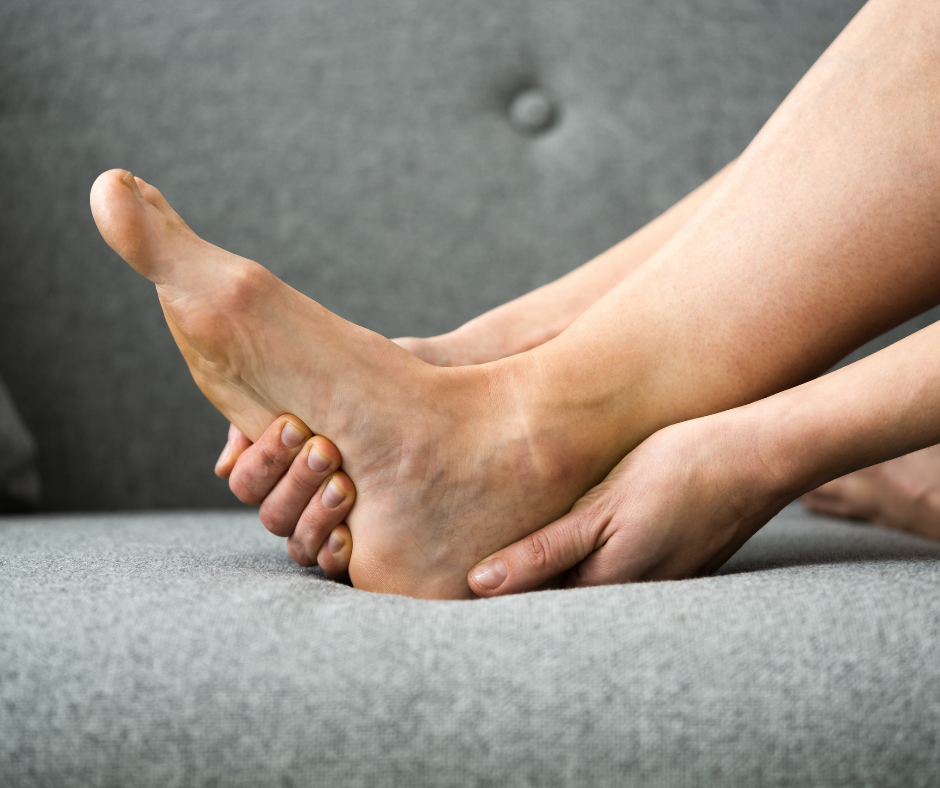
If your first steps out of bed in the morning are met with a sharp pain in your heel, you are likely dealing with plantar fasciitis. This discomfort, which often dulls as you walk around and returns after a period of sitting, is one of the most common reasons patients visit a podiatrist. Unfortunately, it’s often mismanaged.
Searching the internet for ways to fix your heel pain without undergoing an invasive operation? Keep reading to learn how Family Foot Center uses a ‘conservative-first’ approach to offer lasting relief.
Why Rest and Store-Bought Insoles Don’t Work
Treating a biomechanical flaw with a squishy, $30 store-bought insole does not correct the underlying structural collapse of your arch!
Why?
Let’s break it down simply:
- The plantar fascia is a thick band of tissue running along the bottom of your foot that connects your heel to your toes.
- If you are a nurse, a retail worker, or a runner, or otherwise on your feet all day, you place repetitive tension on this ligament, which can cause inflammation.
- When you sleep, that inflamed tissue tightens up. Your first step out of bed forcefully stretches it back out, causing that hallmark stabbing pain.
Until you fix why your foot is struggling under load, the tissue will keep getting irritated.
That’s where conservative care comes in.
The Conservative-First Care Path (Avoiding Surgery)
Our team doesn’t just treat where it hurts; we use gait diagnostics to identify why it hurts. And we firmly believe that the majority of heel pain does not require surgery.
Instead, we use a proven, 4-Step Conservative-First Care Path, specifically designed to help you avoid the operating room.
Step 1: Diagnose & Assess
We never guess. We start with a comprehensive biomechanical and gait assessment to see exactly how your foot strikes the ground and behaves while bearing weight.
Step 2: Conservative Correction
We implement targeted stretching protocols, night splints, and custom orthotics.
- A custom orthotic is a prescription medical device engineered specifically from your gait assessment to physically support your arch and reduce strain on the plantar fascia with every step.
Step 3: Advanced Regenerative Medicine
If your pain is stubborn and does not fully resolve with orthotics, we escalate to advanced, non-surgical regenerative therapies.
- Using technologies like SoftWave shockwave therapy and regenerative tissue allografts (such as DPMx or Liposana), we can stimulate your body’s natural healing response to repair damaged tissue at a cellular level.
Step 4: Surgical Referral
Surgery is reserved for the small number of cases that do not respond to the first three steps of our progressive, non-invasive path.
5 Signs It Is Time to See a Professional
Are you wondering if your heel ache warrants a trip to the doctor? Do not wait for the pain to become debilitating. It is time to schedule a diagnostic evaluation if:
- Your pain has lasted more than two to three weeks despite rest and stretching.
- The pain is severe enough that it is forcing you to change the way you walk (which can quickly lead to knee and back pain).
- Your heel pain is accompanied by numbness, tingling, or visible swelling.
- You have tried over-the-counter insoles and have not found lasting relief.
- Your heel pain keeps returning when you try to go back to exercising or running.
Stop Living With Heel Pain
You do not have to accept chronic heel pain as a normal cost of your active Florida lifestyle, and you do not have to rush into surgery to find relief. Get a clear diagnosis and a personalized treatment plan designed to keep you moving!
Request an appointment with the experts at Family Foot Center today. Call our Boca Raton office at (561) 488-4848 or our Boynton Beach office at (561) 733-4010 to schedule your evaluation and get back on your feet. Our team would be happy to help you.