Boca Raton
(561) 488-4848
Diabetic neuropathy care in Boca Raton and Boynton Beach: NCV/EMG testing, Remy Laser therapy, protective footwear guidance, and regular diabetic foot exams.
Diabetic neuropathy is nerve damage caused by prolonged high blood sugar, most often affecting the feet and legs first. It’s one of the most common complications of long-term diabetes, and it typically develops gradually, which is part of why routine foot checks matter even before symptoms feel serious.
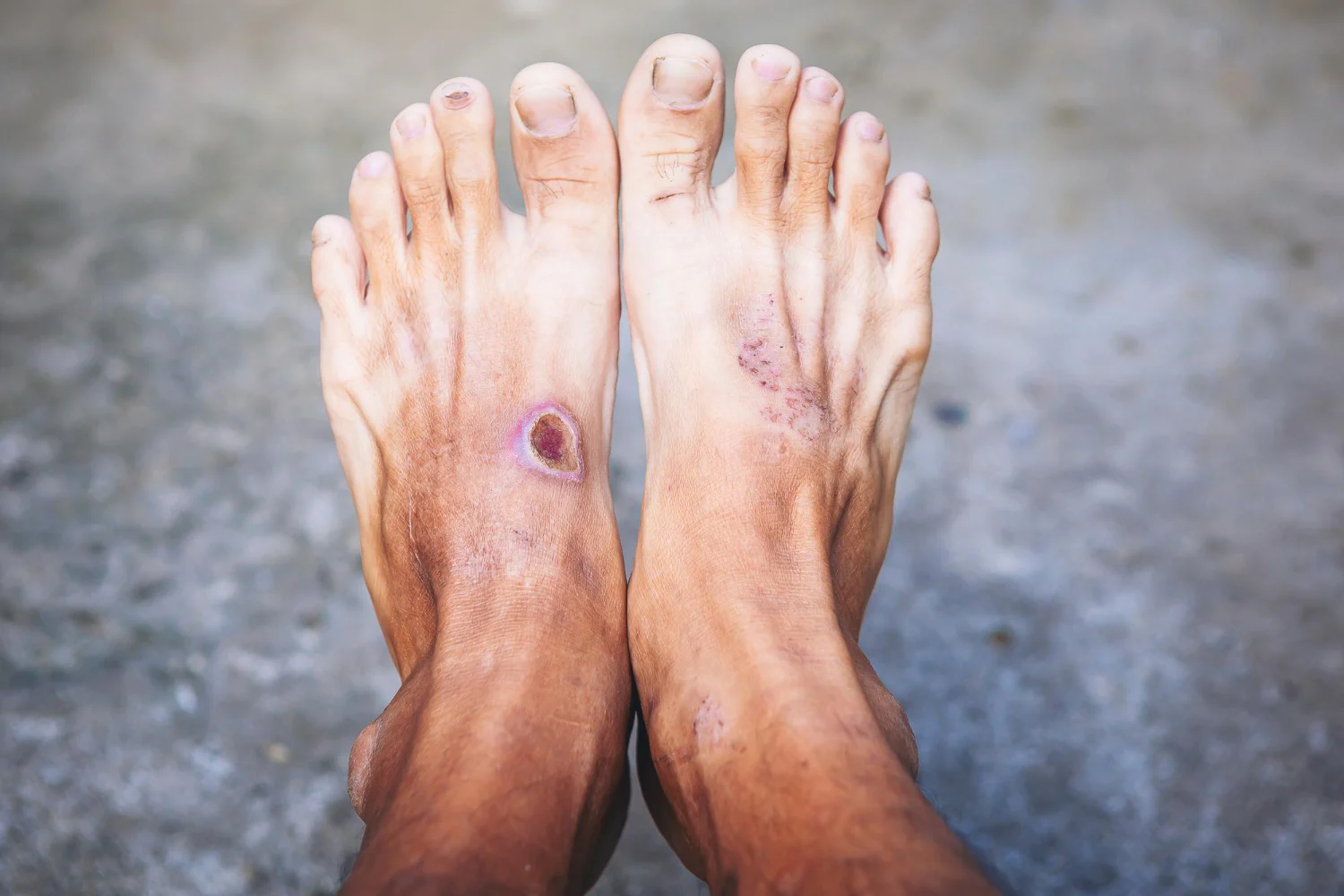
Left unmanaged, diabetic neuropathy raises the risk that a minor, unnoticed injury, like a blister, small cut, or area of pressure, can progress into a more serious wound before it’s caught, because reduced sensation makes it harder to feel when something is wrong.

Because reduced sensation can mask early warning signs, diabetic neuropathy is managed differently from other types of nerve pain: the goal isn’t just symptom relief, it’s protecting the foot from injuries the patient may not otherwise feel. That’s why regular diabetic foot exams are a standard part of ongoing care for our patients in Boca Raton and Boynton Beach, not just something scheduled after a problem appears.

Coordination with your primary care physician or endocrinologist on blood sugar management
Nerve conduction velocity (NCV) and EMG studies to establish a baseline and track nerve function over time
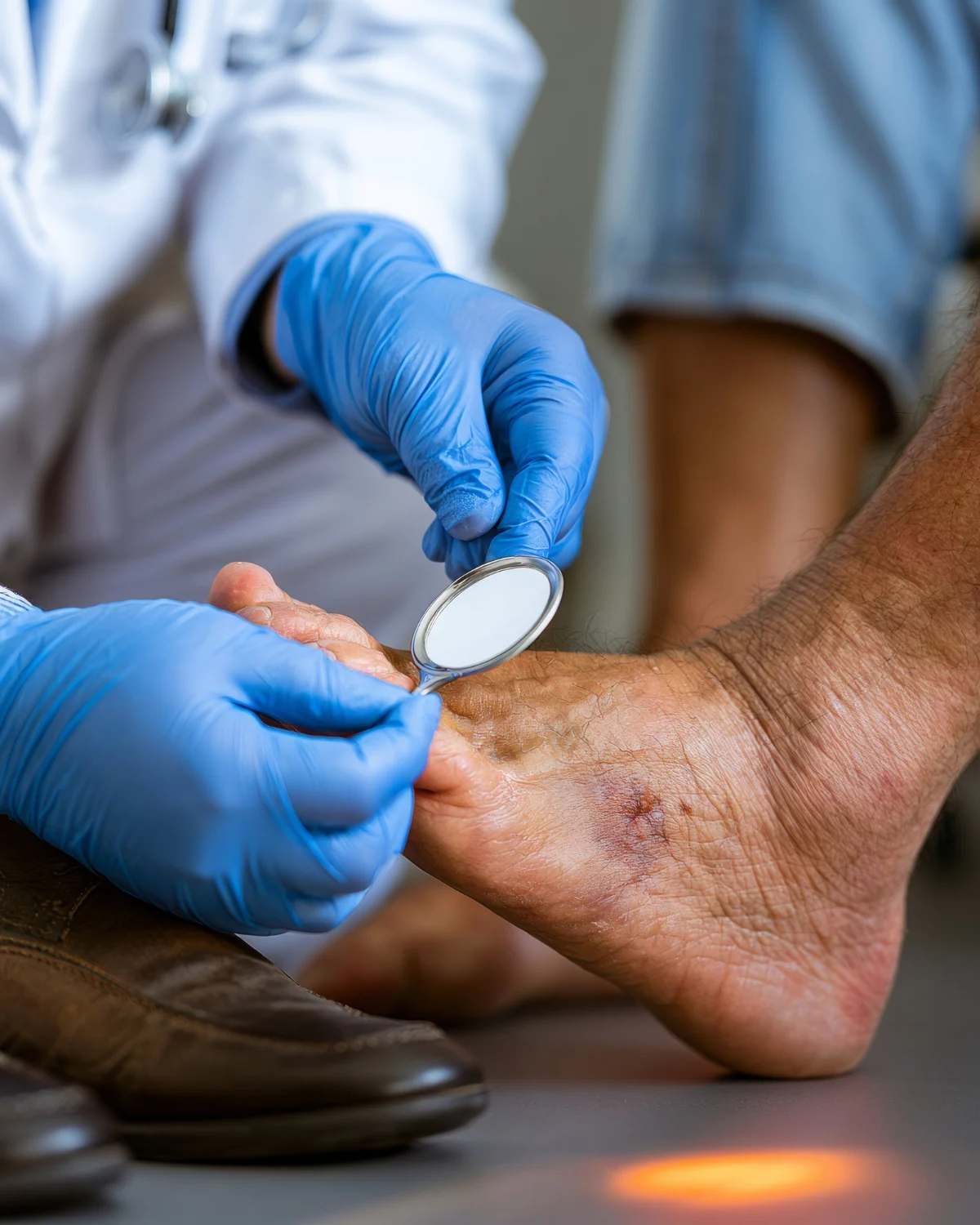
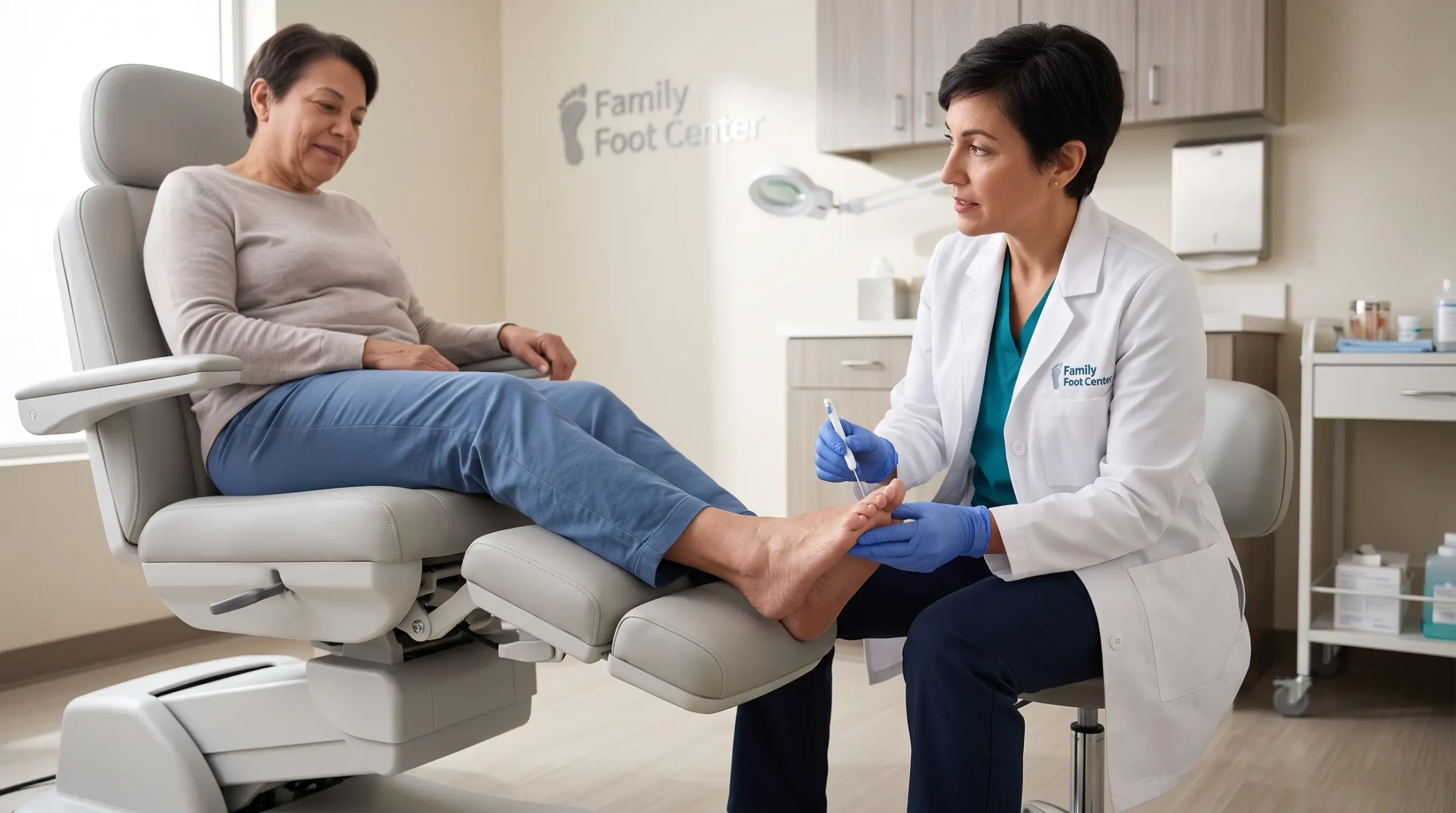
Regular diabetic foot exams to check circulation, sensation, and skin integrity

Diabetics should inspect their feet every day at home and get a comprehensive professional exam at least once a year.
Diabetic neuropathy is generally considered a progressive condition, but consistent blood sugar management combined with early treatment may help slow its progression and manage symptoms. Individual results vary.
Diabetic neuropathy is one specific type of peripheral neuropathy, caused specifically by prolonged high blood sugar. Peripheral neuropathy is the broader category, which can also result from autoimmune conditions, medications, or vitamin deficiencies.
Watch for redness, swelling, warmth, drainage, or a sore that isn’t healing, especially since reduced sensation from neuropathy can mean an injury goes unnoticed. Any new wound on a diabetic foot warrants prompt evaluation.
Remy Laser therapy is an in-office treatment that may help manage neuropathy symptoms in appropriate candidates. Whether it’s a good fit depends on your specific diagnostic results, which Dr. Pinsky reviews before recommending it.
Family Foot Center accepts all major insurance plans but does not accept HMO plans. Coverage for specific diabetic neuropathy testing and treatment varies by plan, and our team can help verify your benefits.
It can. An injury you can’t feel can turn into a wound, and an untreated wound can lead to serious infection and, in the worst cases, amputation. Regular foot exams are how we catch problems early, long before that point.