
Boca Raton
(561) 488-4848
DPMx Tissue Allograft supports soft tissue and wound healing in the foot and ankle using donated birth tissue. Available in Boca Raton and Boynton Beach.
DPMx Tissue Allograft is a minimally processed human birth-tissue allograft, sourced from donated umbilical cord tissue, used at Family Foot Center to support healing of damaged soft tissue in the lower extremities. It contains naturally occurring components such as elastin and growth factors that are thought to support the body’s healing process.
It is one of four regenerative treatments offered at the Boca Raton and Boynton Beach offices, and is generally considered for soft tissue and wound-healing needs rather than nerve or joint pain alone.


DPMx is applied or injected at the site of injured or slow-healing soft tissue, where it is intended to help regenerate and reconstruct damaged tissue in the lower extremities. Rather than replacing the body’s own healing process, DPMx is designed to supplement it, providing supportive tissue components at the treatment site.
[Physician input needed: specific application technique and any pre/post-procedure protocol details should be confirmed by Dr. Pinsky.]
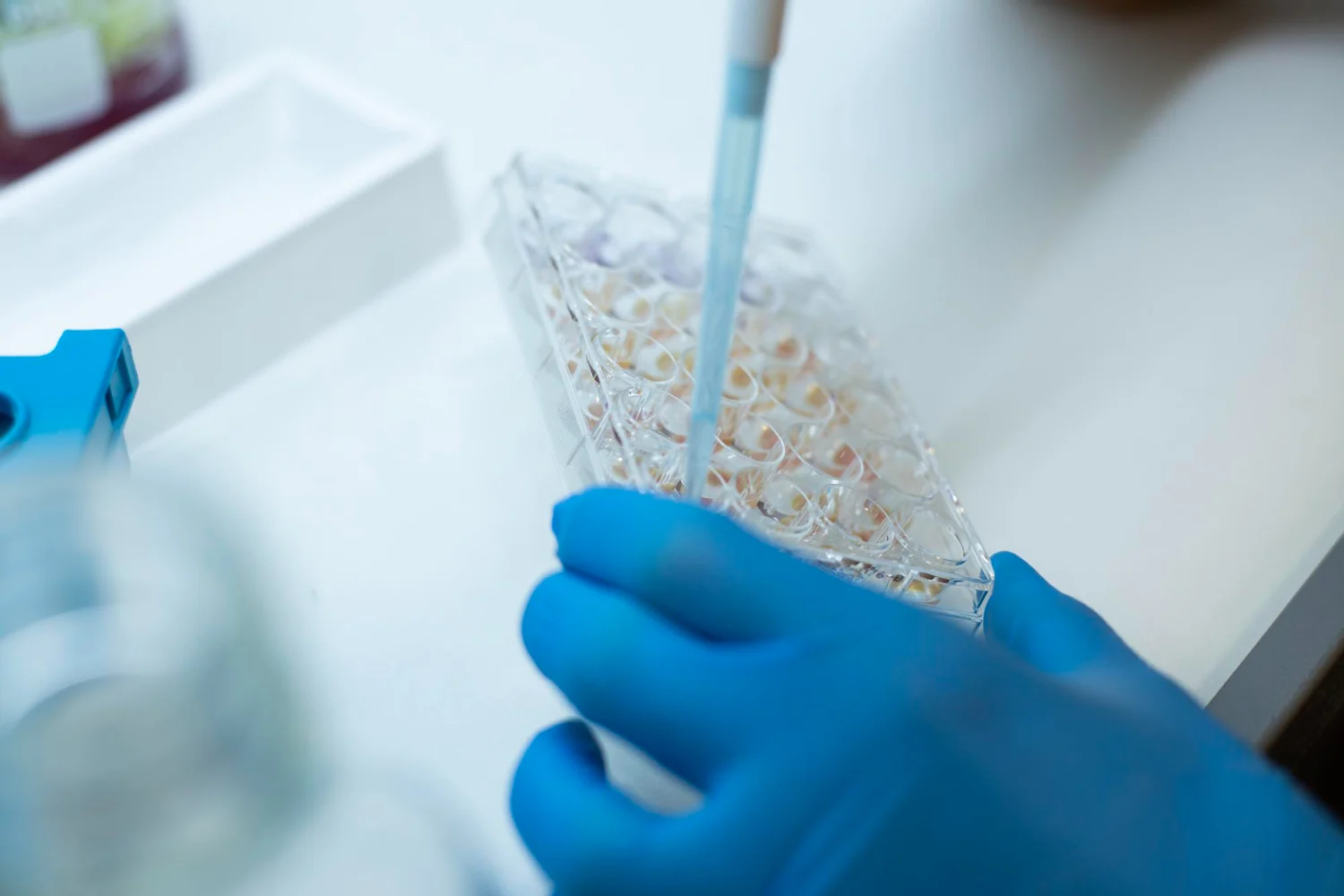
DPMx Tissue Allograft is a donor tissue product, distinct from SoftWave Therapy and Remy Laser Therapy, which stimulate the patient’s own cells rather than introducing donor tissue. DPMx is also distinct from Liposana Tissue Allograft: DPMx is a birth-tissue allograft (from donated umbilical cord tissue) generally used to support soft tissue and wound healing, while Liposana is an adipose (fat) tissue allograft generally used to restore cushioning where fat pad loss has occurred.
Dr. Pinsky determines which allograft, if any, is appropriate based on the tissue involved and the patient’s diagnosis.
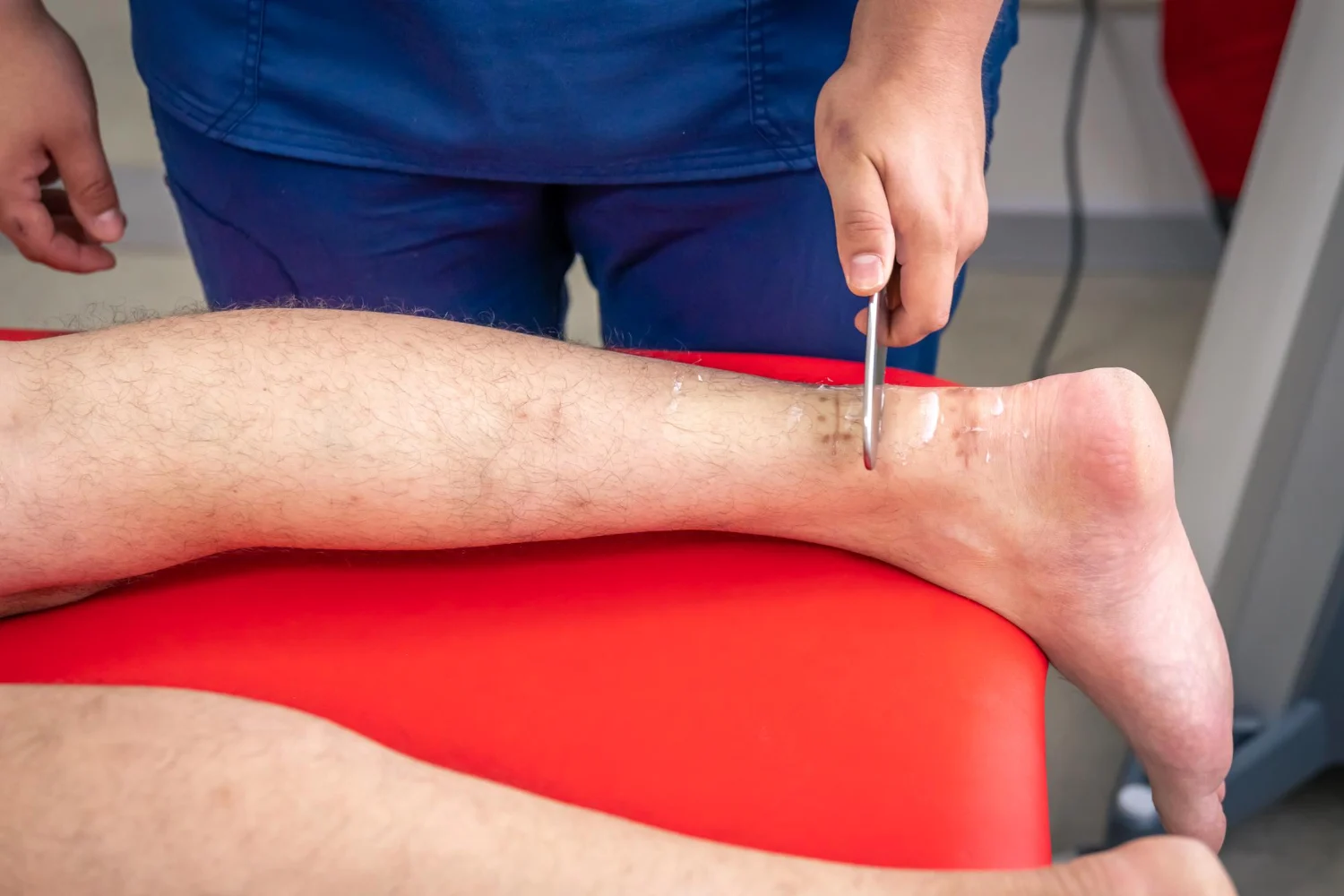
Patients with soft tissue injuries that have not healed as expected with conservative care
Patients with chronic or slow-healing wounds on the foot or lower leg
Patients whose diagnostic workup suggests additional tissue-repair support may help alongside standard wound care
Patients seeking a non-surgical option to support soft tissue healing
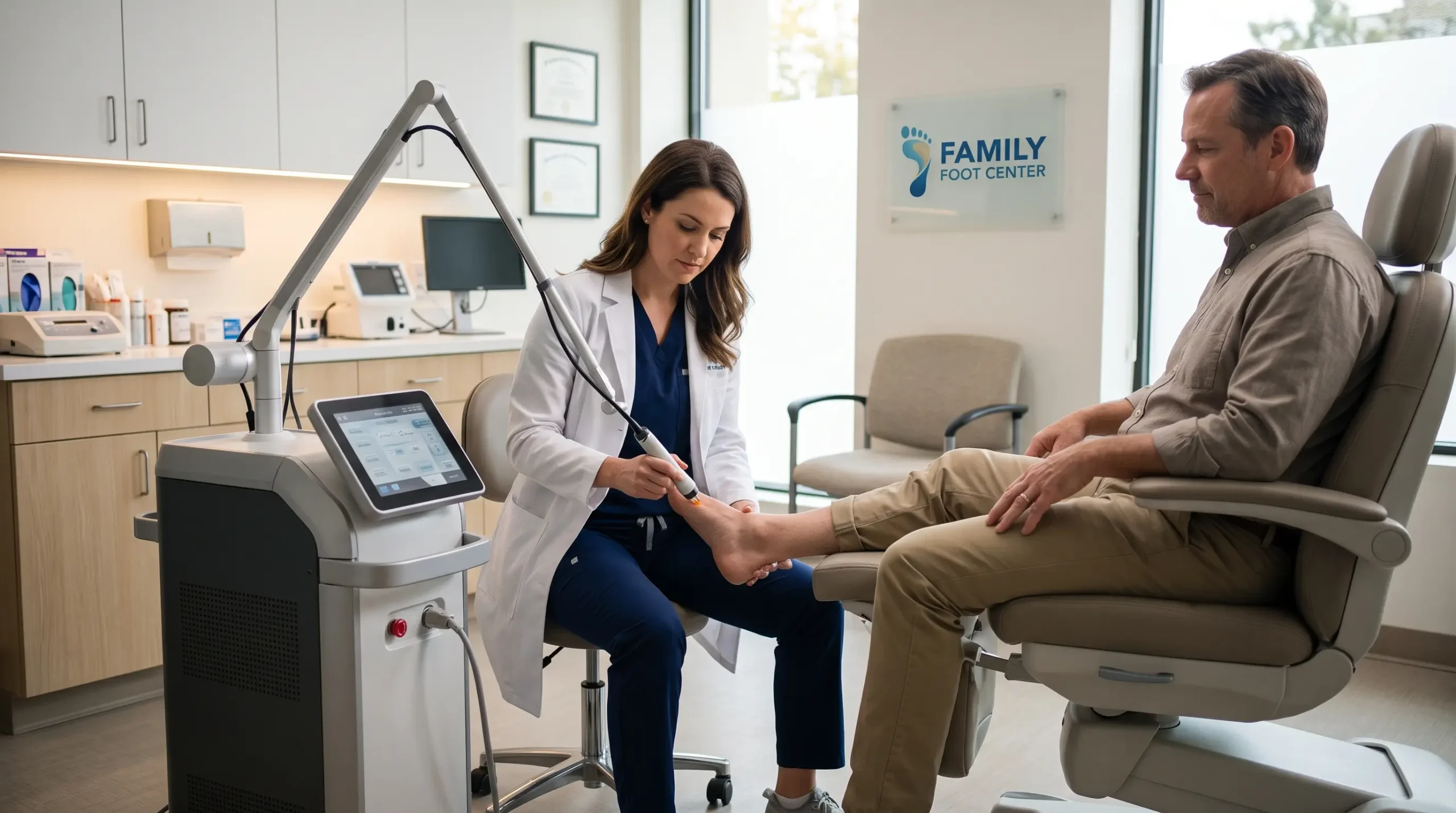
DPMx is administered in-office at either the Boca Raton or Boynton Beach location. [Physician input needed: exact number of applications/injections and any follow-up schedule should be confirmed by Dr. Pinsky.]
As with other regenerative options at Family Foot Center, DPMx is intended to be a non-surgical approach with minimal disruption to the patient’s daily routine.
DPMx is a minimally processed human birth-tissue allograft used under applicable tissue regulations. It is generally considered safe when administered by a licensed podiatrist.
Coverage for DPMx varies by insurance plan and is still being finalized. Family Foot Center accepts all major insurance plans (excluding HMO plans); the office can help verify benefits before treatment.
Pricing for DPMx depends on the treatment plan and insurance coverage. Please contact the office for current DPMx pricing.
DPMx is derived from donated human birth tissue (umbilical cord tissue) that is minimally processed.
DPMx is a birth-tissue allograft generally used to support soft tissue and wound healing, while Liposana is an adipose (fat) tissue allograft generally used to restore cushioning after fat pad loss. Both are donor tissue products, but they are used for different clinical purposes.
DPMx introduces donor tissue components to support healing at the treatment site, while SoftWave Therapy and Remy Laser Therapy work by stimulating the patient’s own cells using acoustic energy or focused light, without introducing donor tissue.
DPMx may be used to help support healing in chronic or slow-healing wounds, sometimes alongside other wound care treatments; see our Wound Care page for more on our broader wound care approach.
Patients with damaged soft tissue or slow-healing wounds that have not responded fully to conservative care may be candidates, but this is determined individually during an in-office evaluation.
DPMx is a non-surgical option that may support tissue healing and help some patients avoid or delay surgery, though it is not a guaranteed substitute for surgical care in every case.
DPMx is generally administered as an in-office, non-surgical treatment with minimal disruption to daily activity, though the office will advise on any specific aftercare for your situation.